Samuel and Sephronia Jenkins
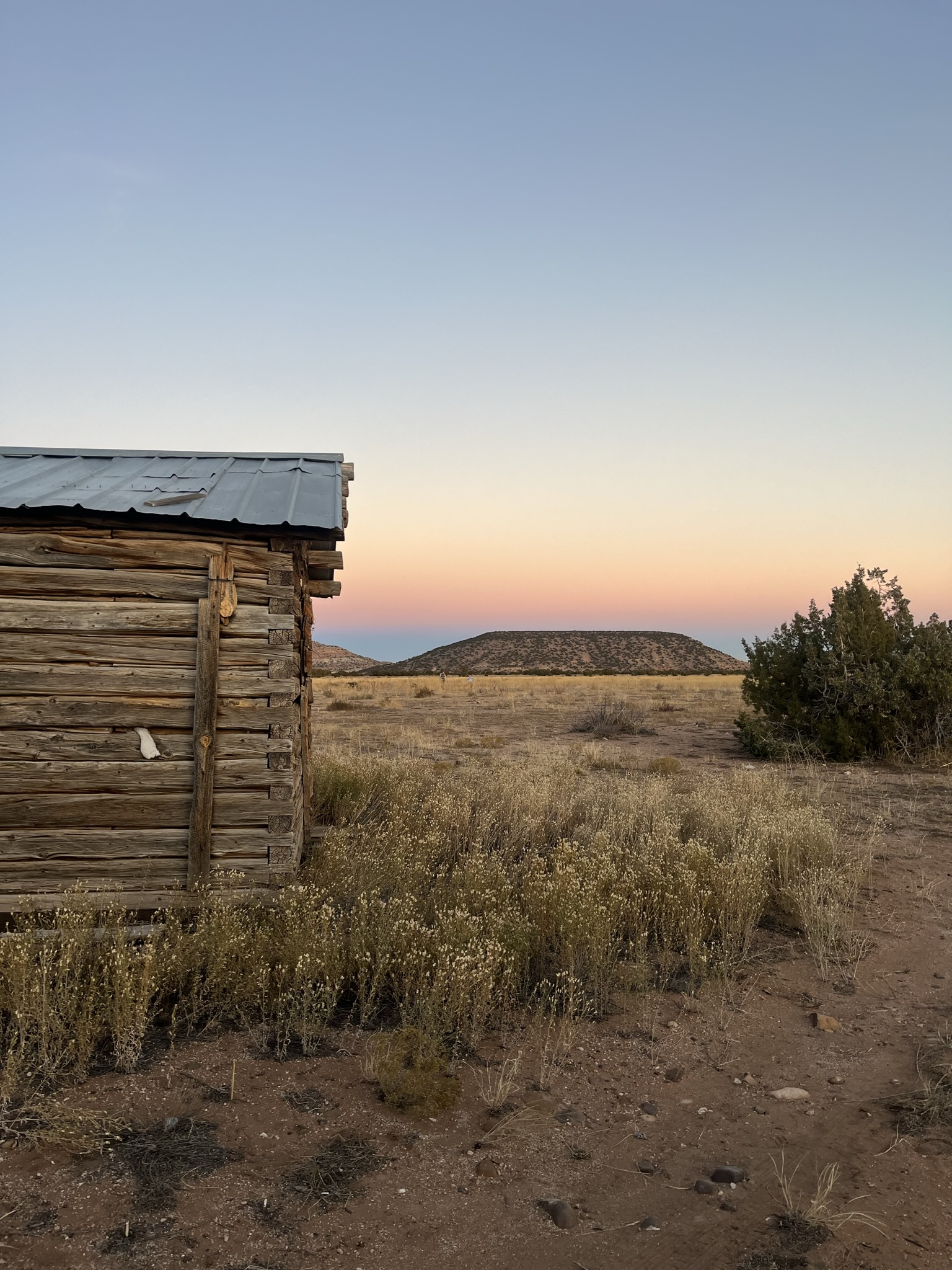
In 1920 the Uintah Basin was wild and unharnessed. Samuel and Sephronia Jenkins — were pioneers whose vision and grit transformed a stretch of desert draw into a thriving farmstead known as Jenkins Draw.
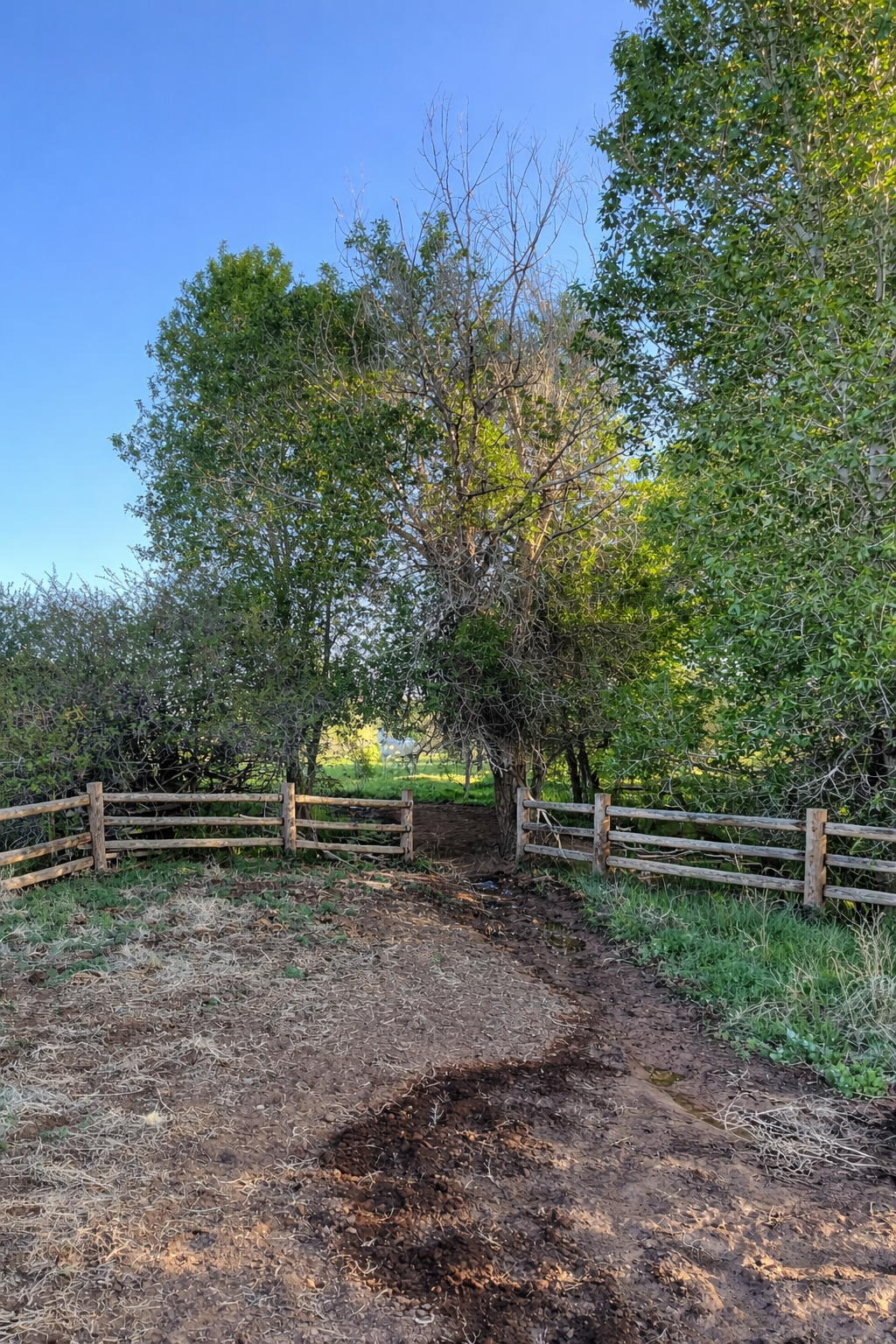
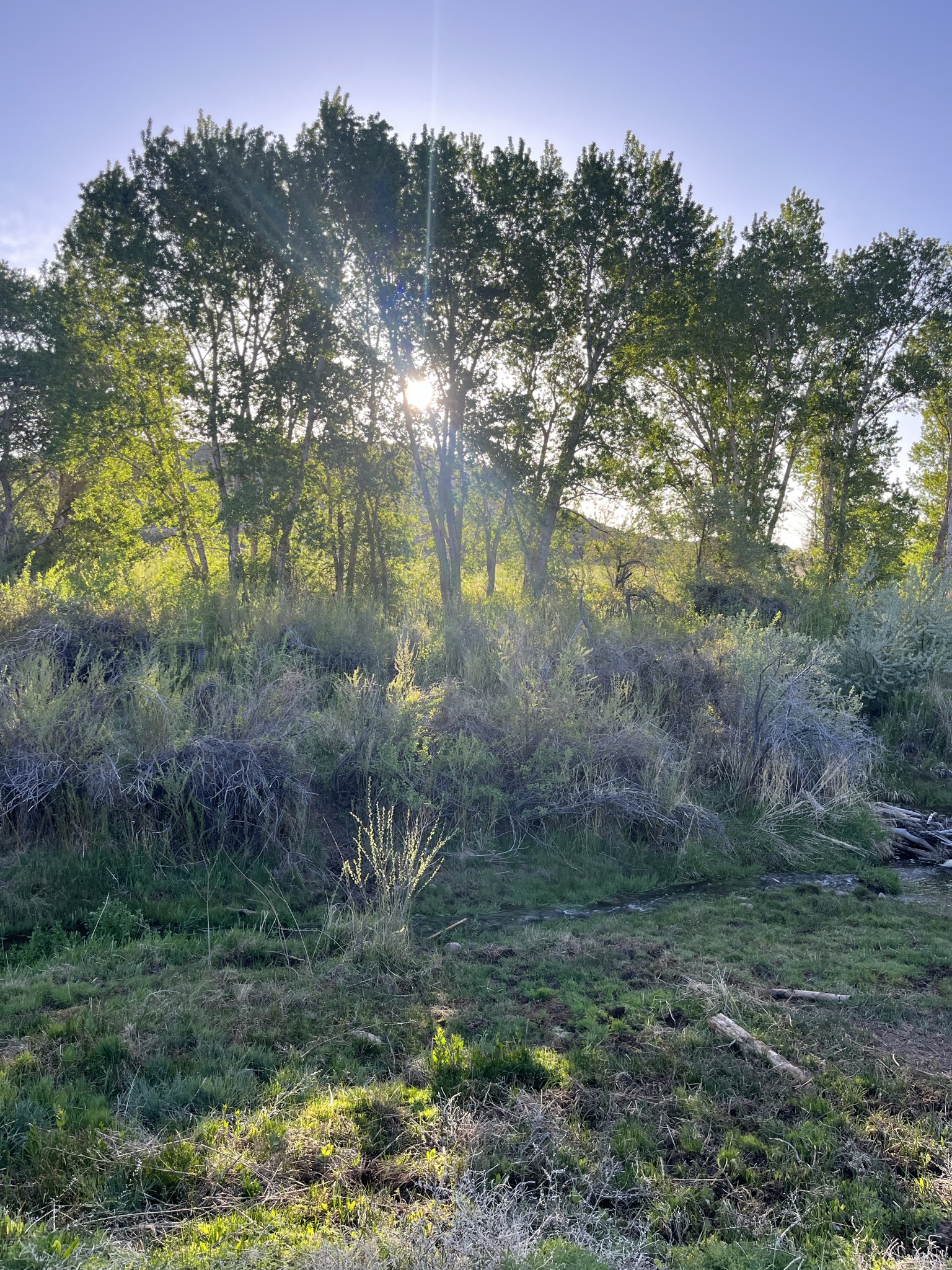
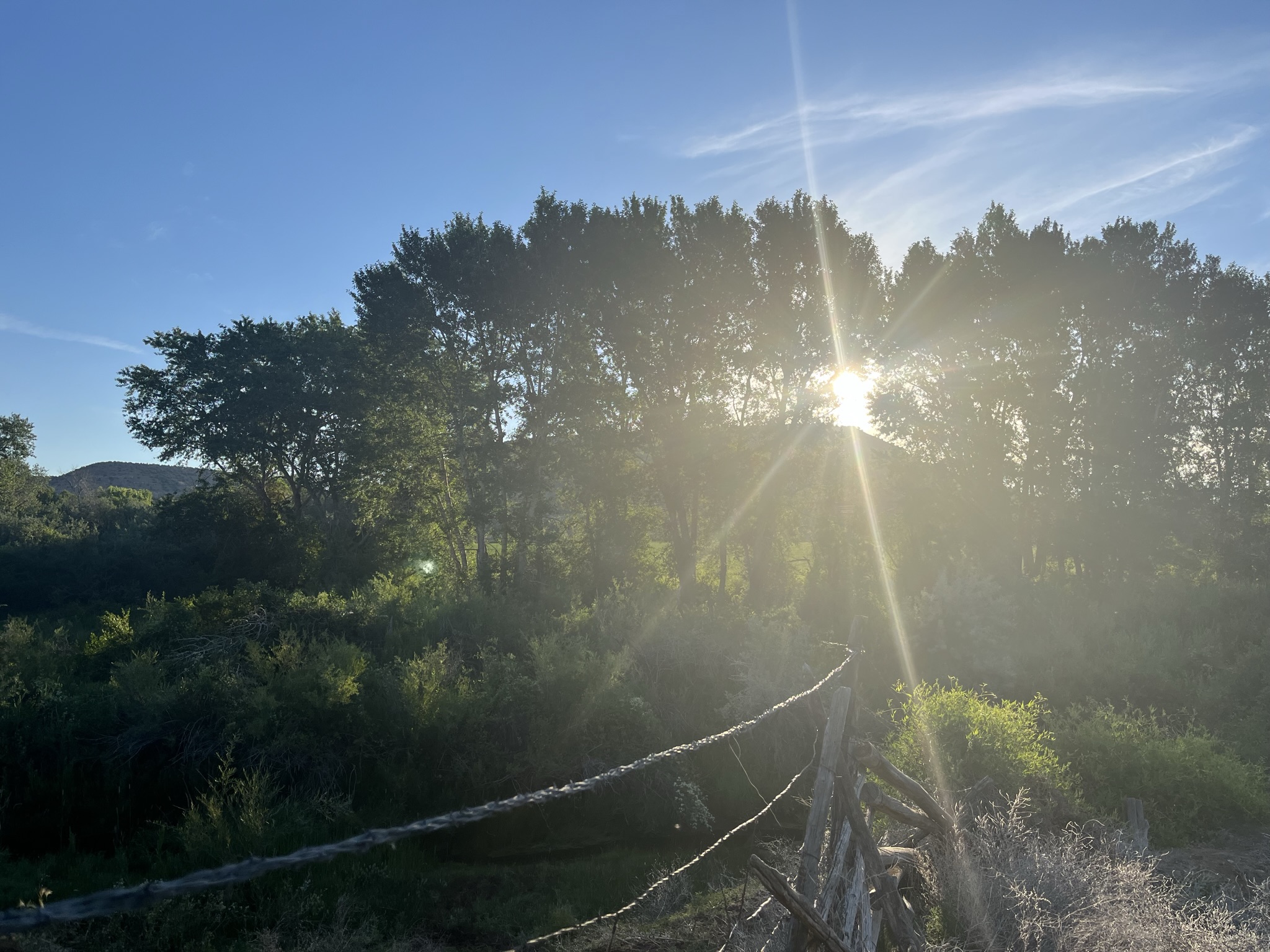
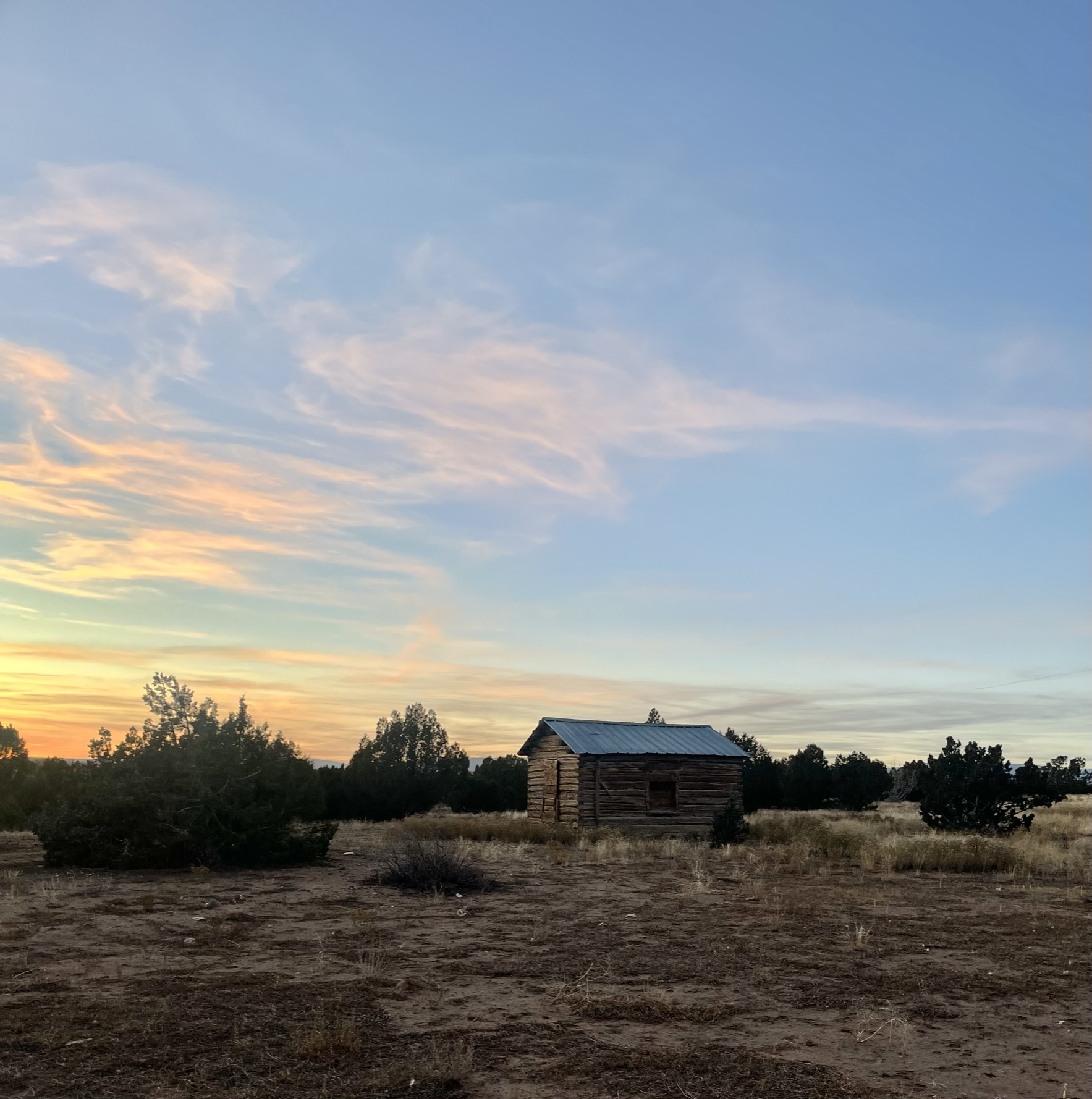
When they first settled the land, there was no machinery, no infrastructure, and little promise beyond hard earth and open sky. They raised a family of eight in a small two-room cabin while slowly, relentlessly working the soil by hand. Every fence post was set with effort. Every field was cleared through sweat and determination. Water was coaxed into the draw. The desert floor was patiently turned into fertile farmland.

The Story of Jenkins Draw


For nearly 25 years, the family lived simply and labored daily before the existing farmhouse was finally built — a testament to perseverance, sacrifice, and belief in what the land could become.
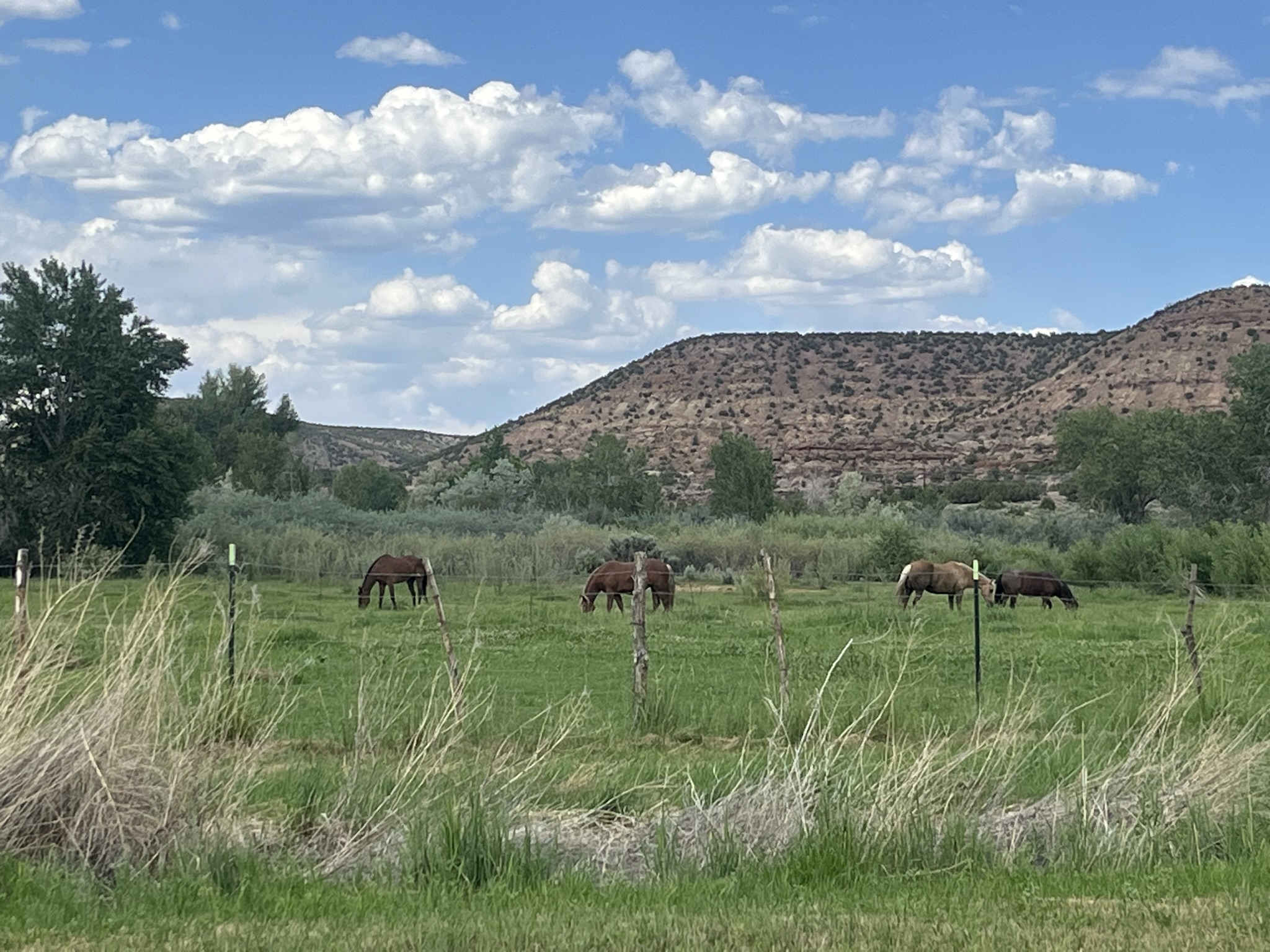
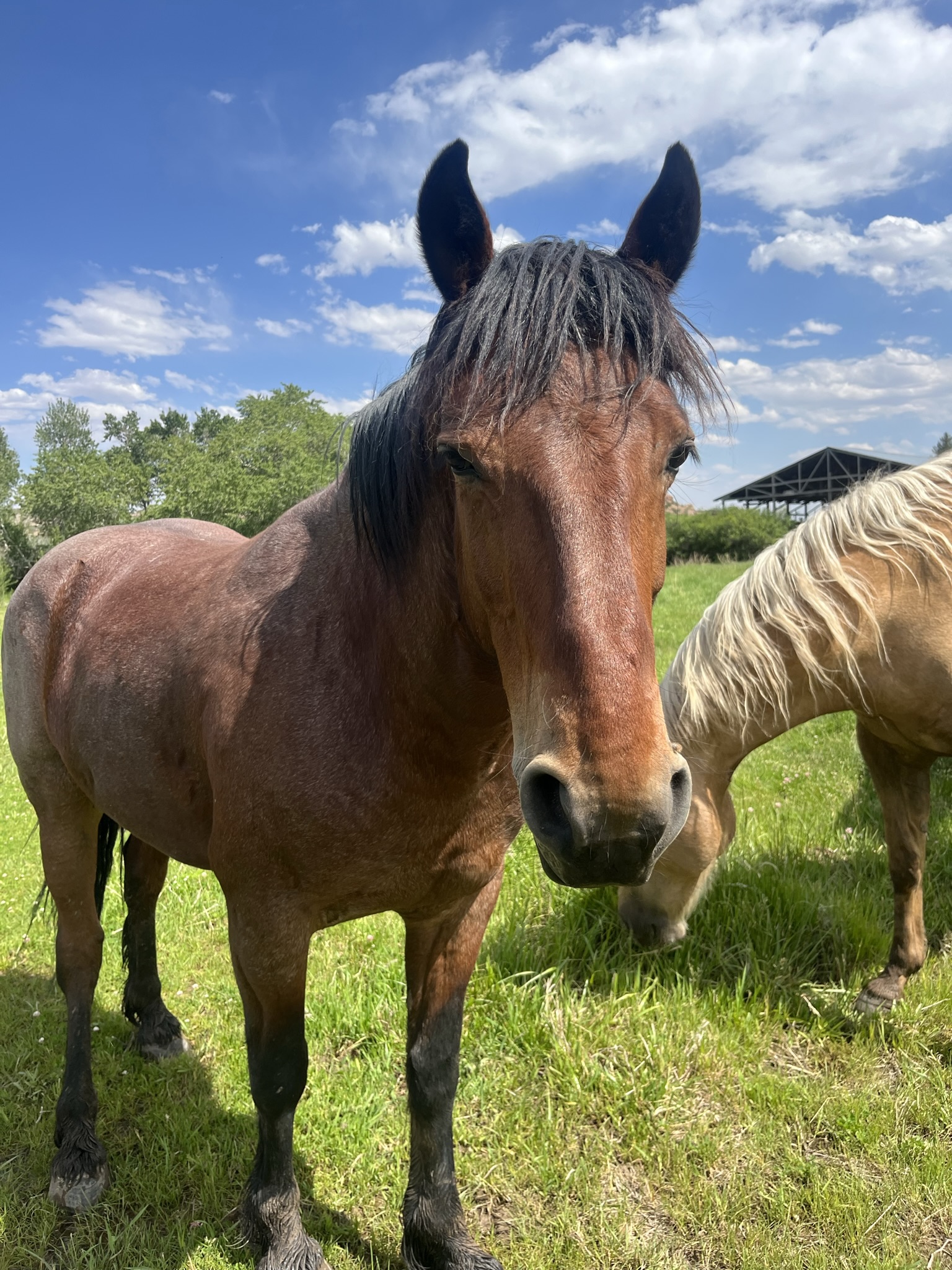
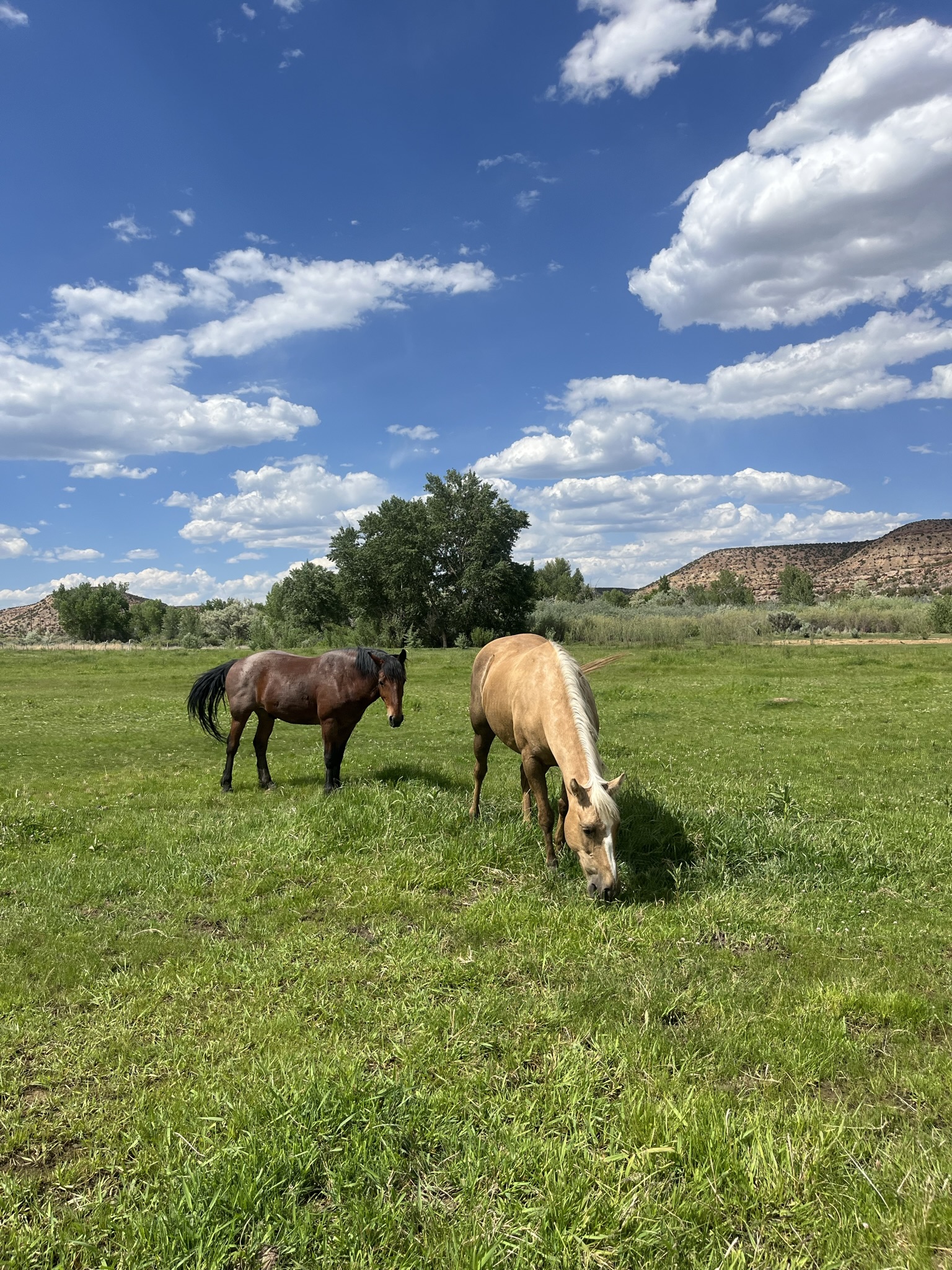
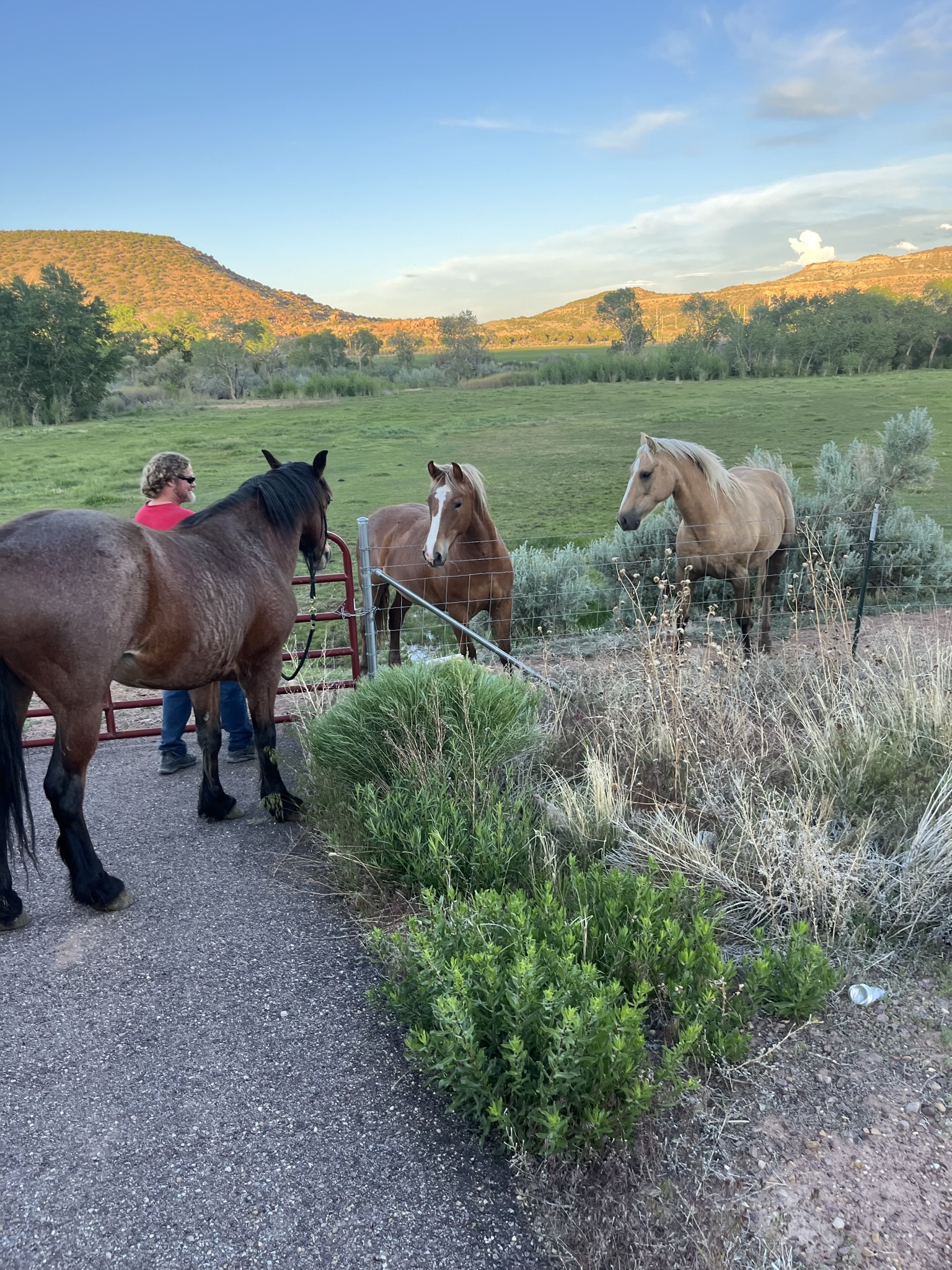
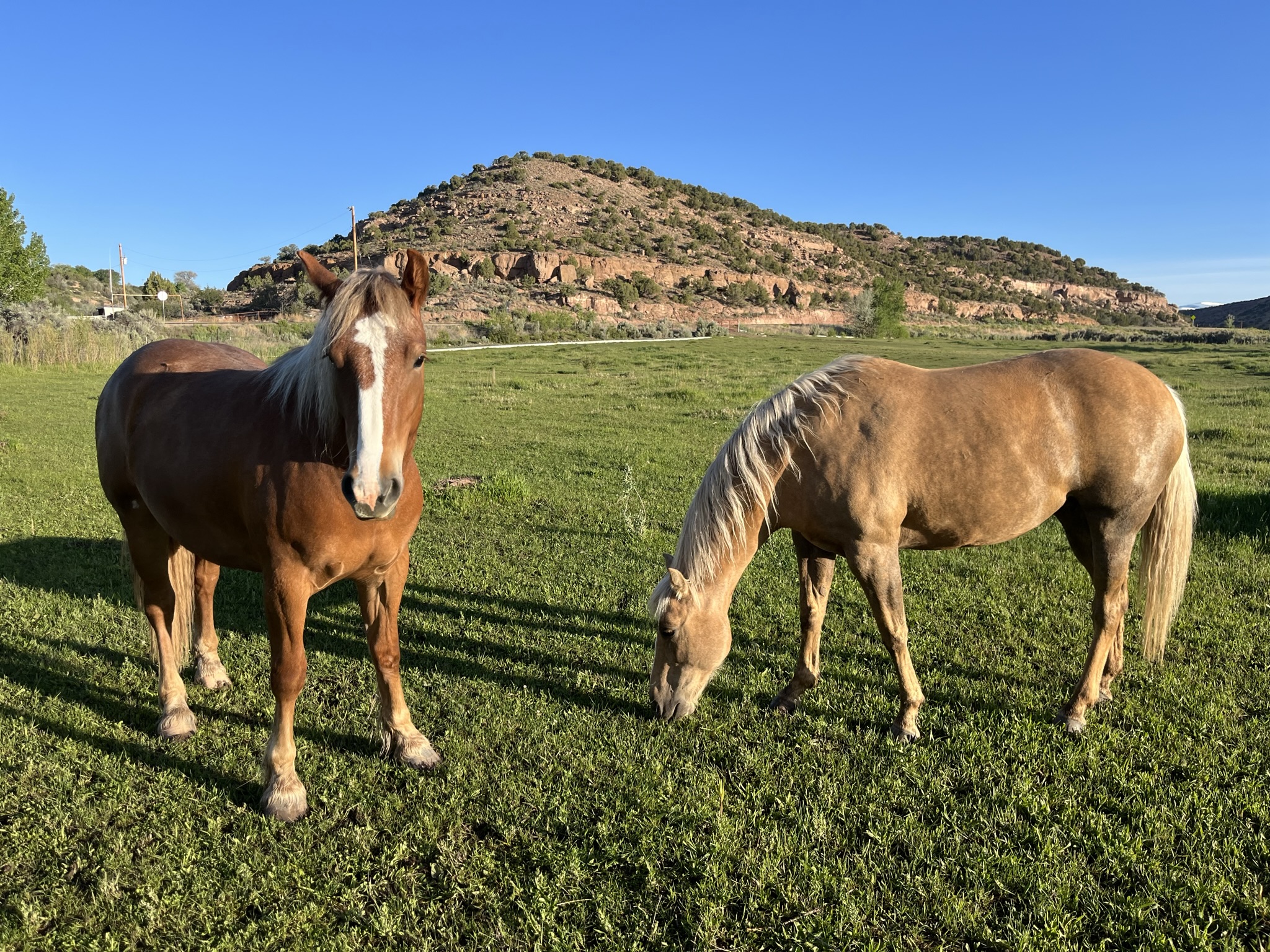
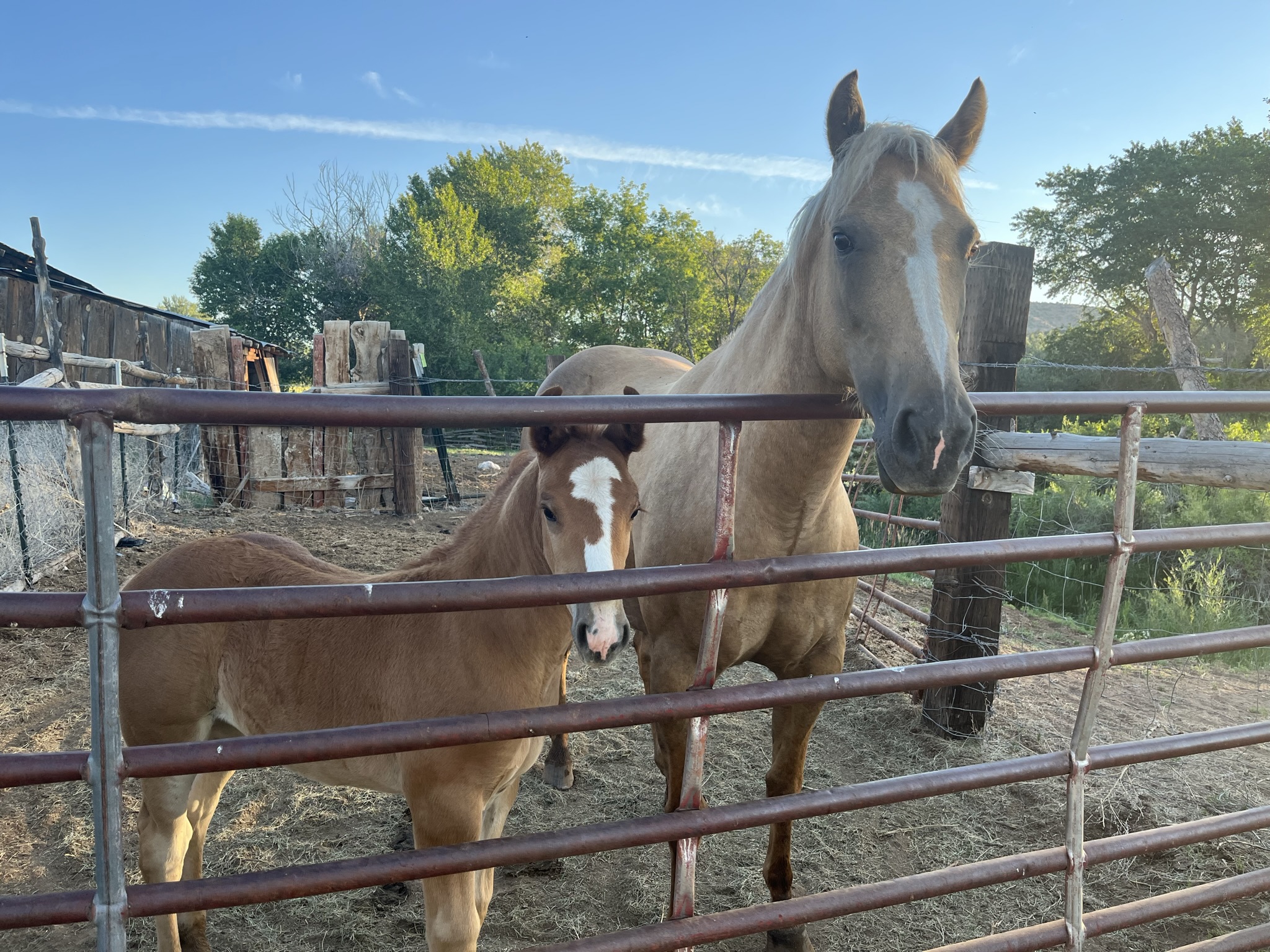
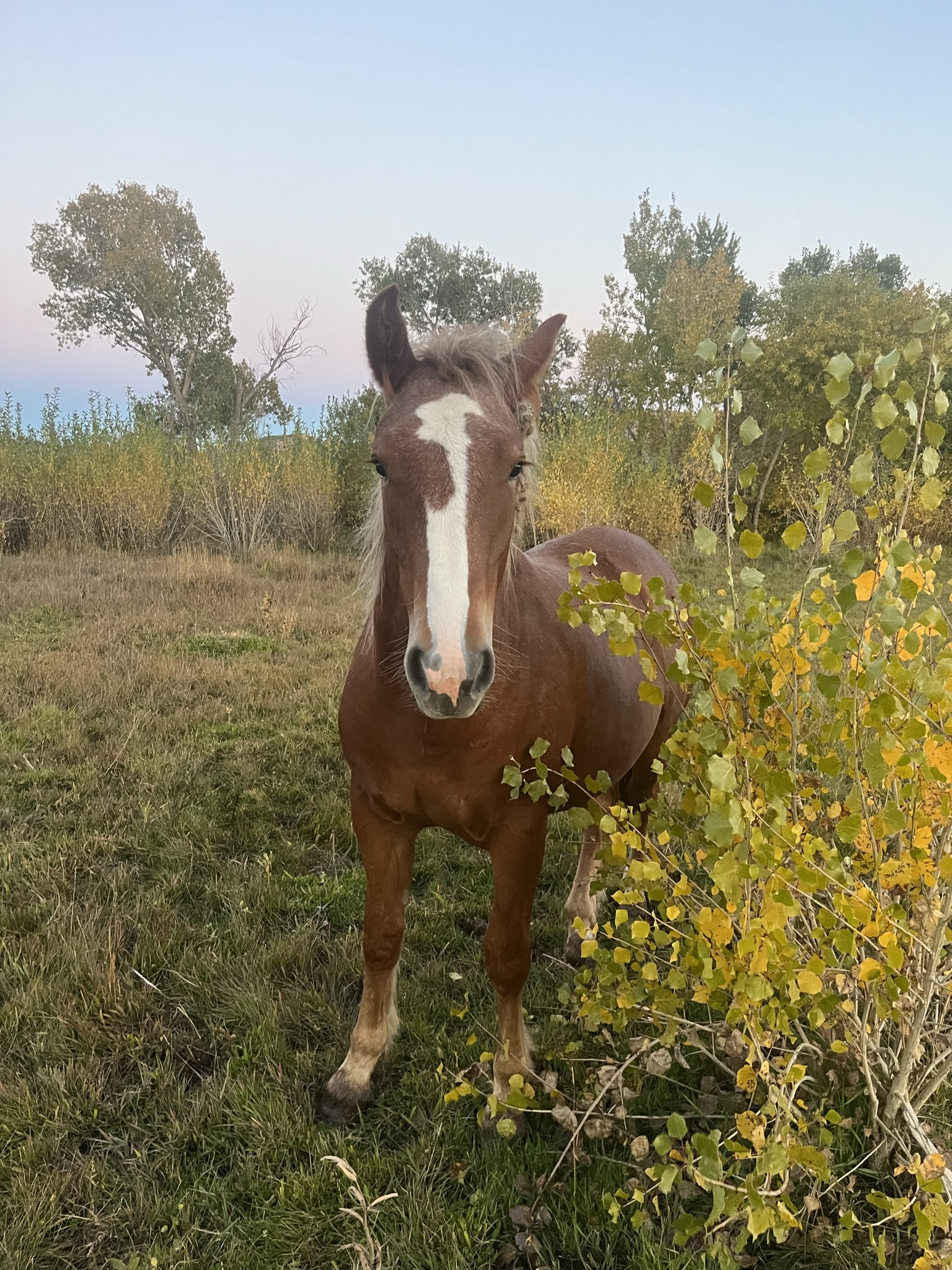
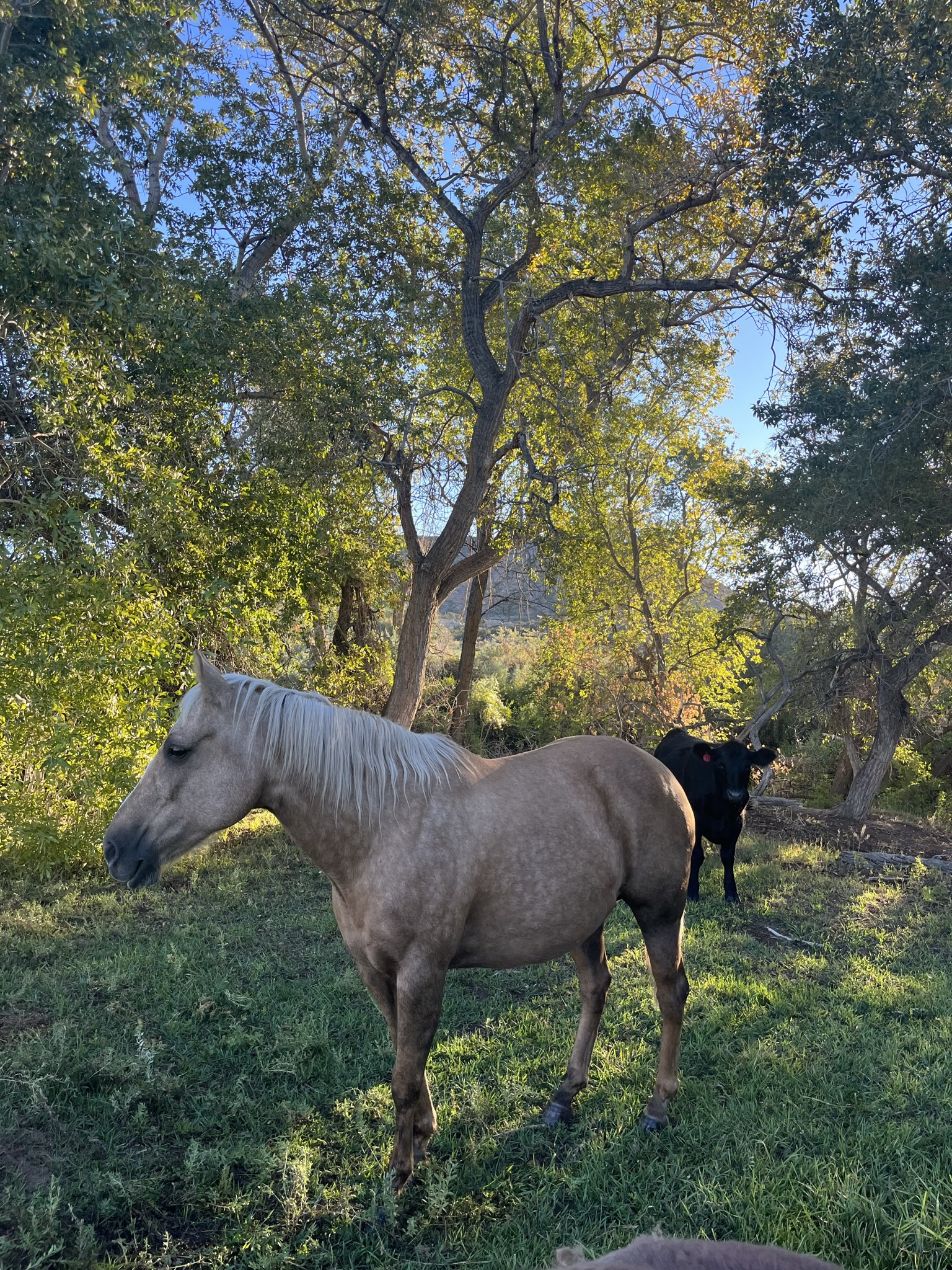
John’s great-grandfather was known throughout the area for the deep love and exceptional care he gave to his horses. His horsemanship was not built on force, but on attentiveness, respect, and relationship — a trait that has been passed down through the generations. That reverence for animals and stewardship of the land remains central to Jenkins Draw today.
Jenkins Draw is not just property.
It is legacy carved by resilience.
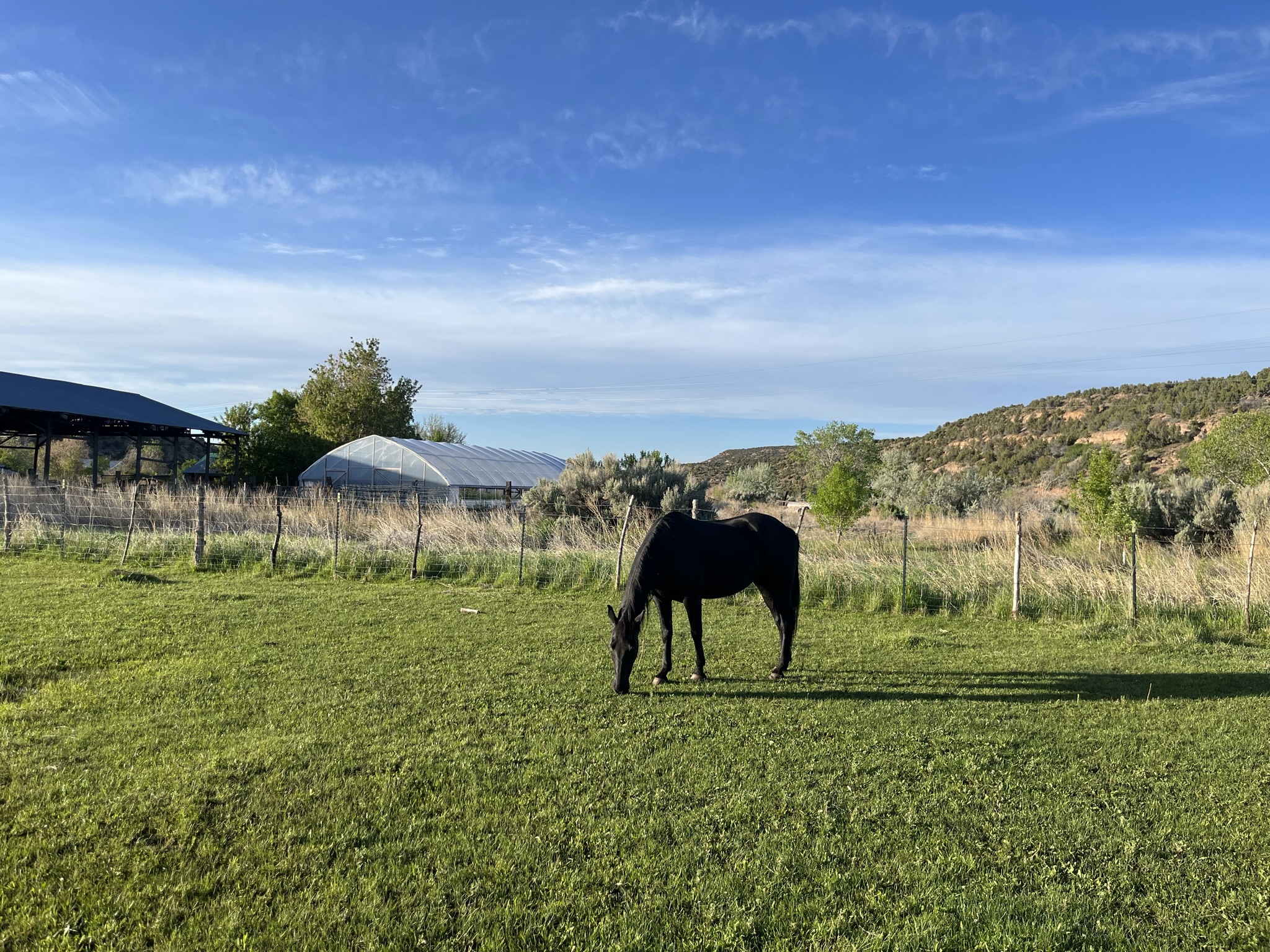
The same ground that was once hard desert now carries fields, trees, and livestock because of the grit and determination of those who came before — men and women who transformed the desert floor without machinery, relying only on faith, family, and relentless work.
Today, that land still teaches what it has always embodied: resilience, stewardship, patience, and strength. We believe healing happens here because it was forged through hardship and hope.
At Jenkins Draw, resilience isn’t just something we teach —
it’s written into the soil and carried in the bloodline.